 +968 9851 2340


Top Attractions

Sultan Qaboos Grand Mosque
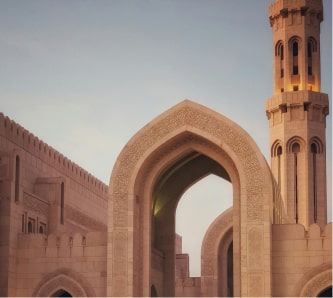
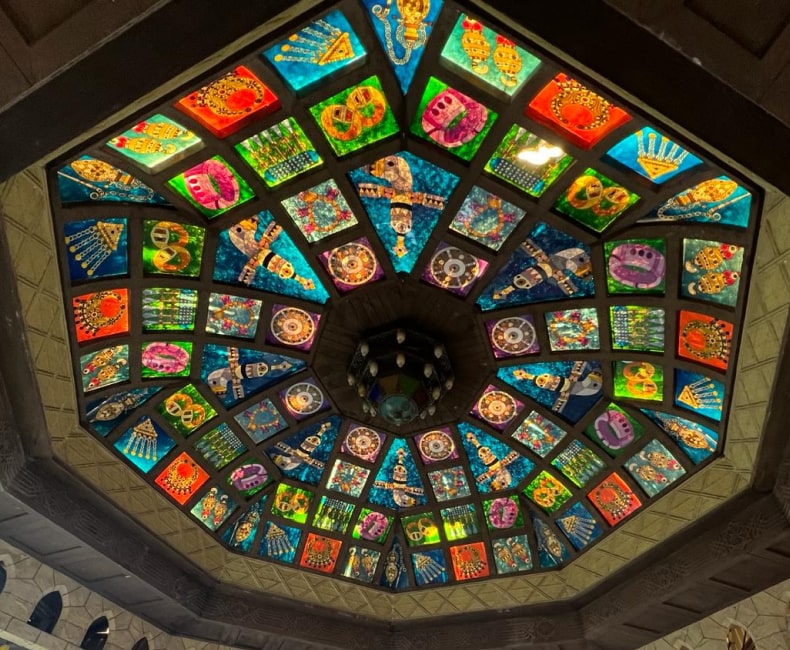
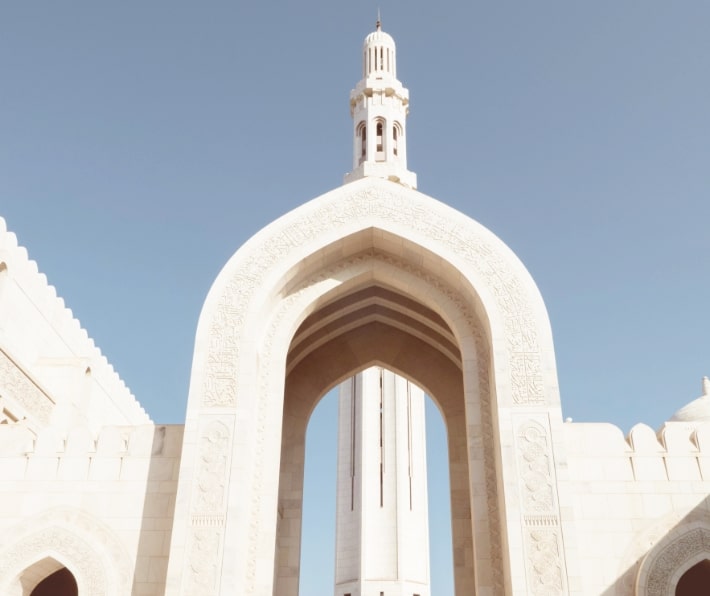
Sultan Qaboos Grand Mosque in Muscat can be described as an architectural and artistic marvel that reflects the beauty of Islamic and Omani art. The prayer room for men under the towering central dome features impressive wall designs, carrara marble pillars, stained glass and tiles in the Persian style. A 14-metre tall Swarovski chandelier weighing eight tons hangs 50 metres above the floor and illuminates the room with a thousand lights. Weighing 21 tons, the hand-woven Persian carpet below is the second-largest in the world.
Muttrah
Muttrah is a port district that reflects the rich history that Oman offers. Once a bustling commercial hub with one of the largest harbours and sea ports in the region, it now stands as one of the most historic areas in the capital.
The district's traditional architecture and the beautiful views of the Gulf of Oman have earned it the nickname 'the bride of Muscat.' Muttrah Souq, the main attraction for visitors, is a traditional Arab market and is said to be one of the oldest souks in the Arabian peninsula.
Dating back to over 200 years, the Al Dhalam (meaning: Darkness in Arabic) Souq is a labyrinth of narrow lanes whose vibrant shops sell a mix of colorful garments, frankincense, silverware, traditional Omani daggers and much more.

Wadis
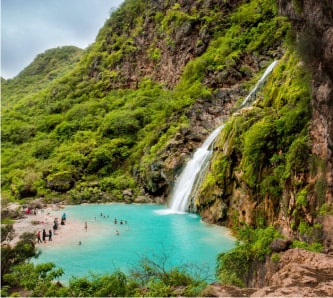
Oman is known for its unforgettable natural beauty, varying landscapes and for being home to a multitude of wadis. Wadis are usually low-lying areas where rainwater or freshwater from the mountains, sea and nearby streams collect, forming some stunning emerald and turquoise pools surrounded by large rock formations and lush green palm trees. Wadi Tiwi, Wadi Bani Khalid, and Wadi Shab are just a few of the beautiful pools around. Visiting wadis in Oman is definitely a must.

Bimmah Sinkhole
In northeastern Oman, right off the Muscat-Sur highway, there is a geological wonder that draws people from around the world.
Bimmah Sinkhole, also known as Hawiyat Najm, is a natural pool of turquoise water that is found several meters below ground. This is one of Oman’s greatest attractions.

Dimaniyat Islands
Al Dimaniyyat Islands Nature Reserve is an archipelago of nine islands along the coast of Wilayat al Seeb (Muscat). They are surrounded by rocks and shallow seas which lie only 16-18 kilometers from the coast and can only be reached by boat. The islands were designated as a nature reserve in 1996 with the aim of conserving turtle nesting beaches, whale sharks, natural scenery, coral reefs and birds, as well as promoting ecotourism.
Until 2013, the only island trips to Dimaniyyat were non-recreational trips for marine research and conservation of marine life carried out by the Oman Environment Authority.
Wahiba Sands
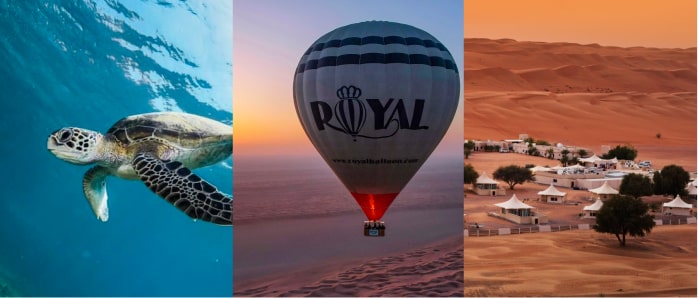
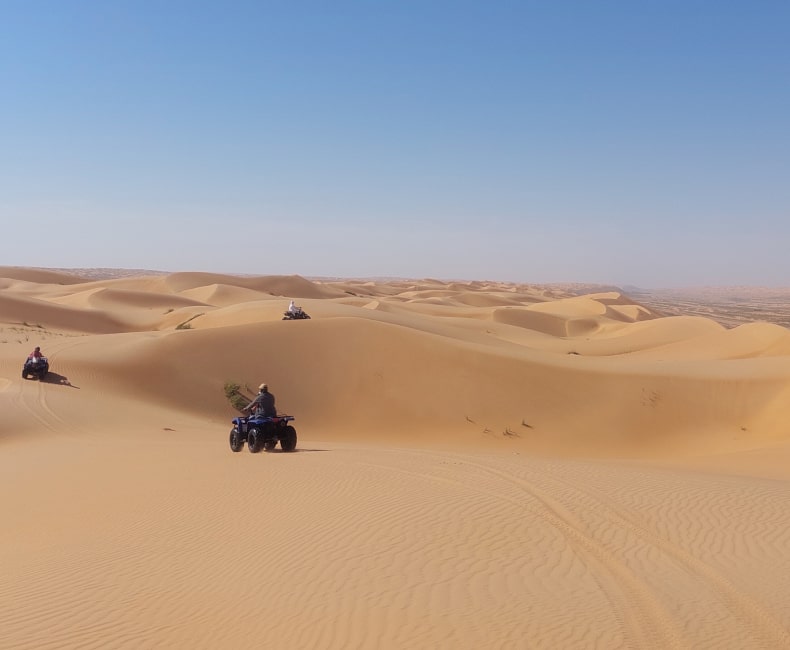
Oman's impressive desert area is a must-visit attraction in the Sultanate. Wahiba Sands is almost 180 km from north to south, and 80 km from east to west. With dunes that reach 100-150 metres high in shades of colours from orange to hues of amber, Wahiba Sands is a wonderful place to experience Oman's iconic desert landscape. Wahiba Sands is now a popular destination for adventure travellers and those interested in experiencing traditional Bedouin culture. Visitors can take camel rides and 4×4 safaris to explore the dunes, and there are also several luxury desert camps available for those looking for a more comfortable way to experience the desert.
Visitors can also visit the traditional ancestral Bedouin villages and markets to learn about their culture and traditions as well as to experience Bedouin hospitality.
Nizwa
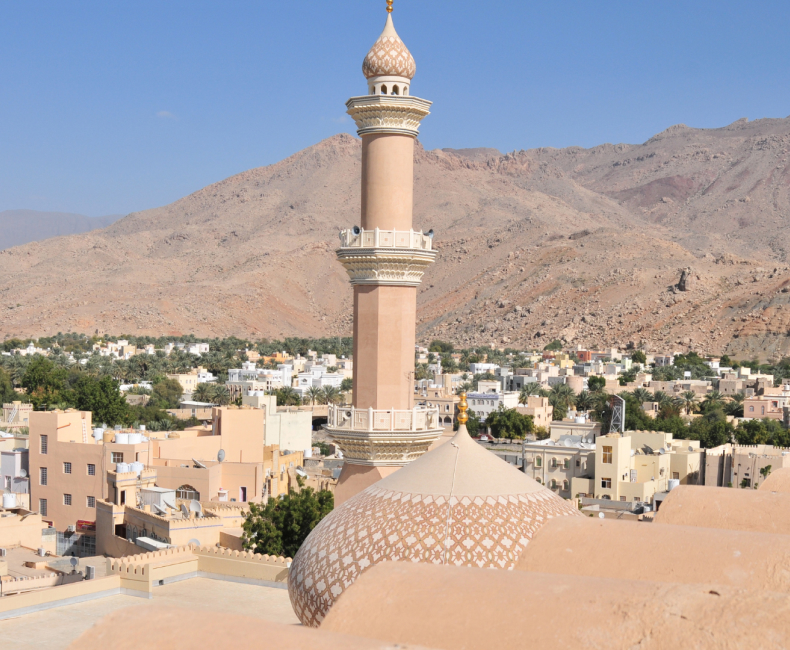
The historic town of Nizwa, with its giant fort and high-walled souq, lies on a plain surrounded by a thick palm oasis and some of Oman’s highest mountains. Nizwa is known for its Falaj Daris irrigation system, which was named a UNESCO World Heritage Site in 2006. In addition, The Nizwa Goat Market is one of the most famous traditional livestock markets in Oman and it is definitely an experience that should be added to everyone's list. Nizwa offers a captivating blend of history, culture, and tradition that beckons travelers to explore its hidden gems.
Organize your tailor-made trip
Don’t let others tell you about it and experience Oman yourself.
Jabreeen / Bahla
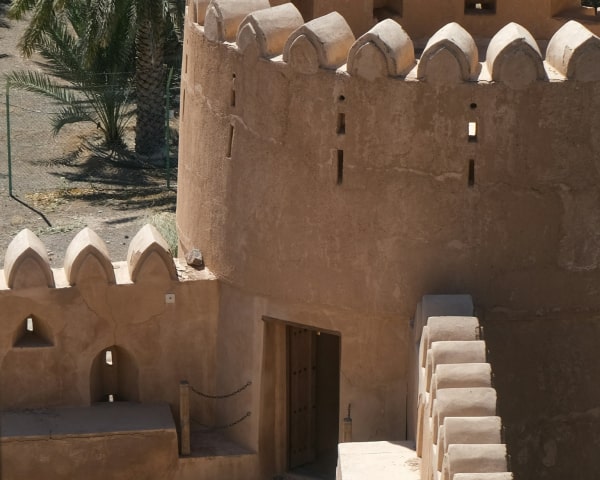
Jabrin, also known as Jabreen, is a small town located at Ad Dakhiliyah Governorate in northeastern Oman near Nizwa and Jabal Akhdar Mountains. You will be astonished by its castle. This impressive castle with wooden ceilings, Arabic calligraphy and decorated windows is definitely a must-see.
A short distance from Jabreen is located Bahla, one of Oman’s oldest oasis towns and the first-ever Omani town to be declared as a UNESCO World Heritage site. Bahla is a magical place, with an impressive fort on a dominating oasis and which construction dates the pre-Islamic era, a traditional souq and is famous for its pottery.

Al Hamra / Jebel Shams
240km from Muscat, Jebel Shams is Oman’s highest mountain and home to the Grand Canyon of Oman – Wadi Ghul. The cooler weather and hiking trails make Jabal Shams an attractive destination for those in Oman who want to escape the high summer temperatures.
Nestling at the foot of Jebel Shams you will find Al Hamra, one of the oldest settlements in Oman. This old abandoned village has a collection of well-preserved two- and three-storey mud-brick houses built in the Yemeni style. Come at sunset to see the honey-coloured buildings glow.

Ras Al Jinz
Ras Al Jinz Turtle Reserve is home to one of the world`s largest nesting sites for endangered green sea turtles. The Turtle Reserve is aimed to create a balance between the conservation of the turtle species in Oman and the facility to observe this marvellous spectacle of nature whereby visitors can watch not only when the turtles emerge from the sea to lay their eggs but also the hatchlings’ first-time dash towards their natural habitat in the territorial waters of the Sultanate of Oman.

Salalah
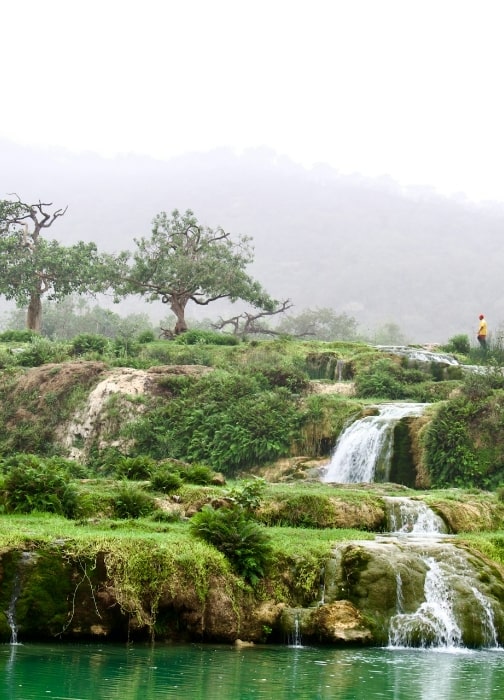
Green is not what you expect to hear when you hear someone talk about a country in the Middle East, but it is when you speak about Oman. Especially if you are talking about Salalah. Salalah is considered Oman`s hidden gem, with incredible waterfalls and white sand beaches surrounded by coconut trees overlooking the beautiful turquoise waters of the Indian Ocean.
Musandam
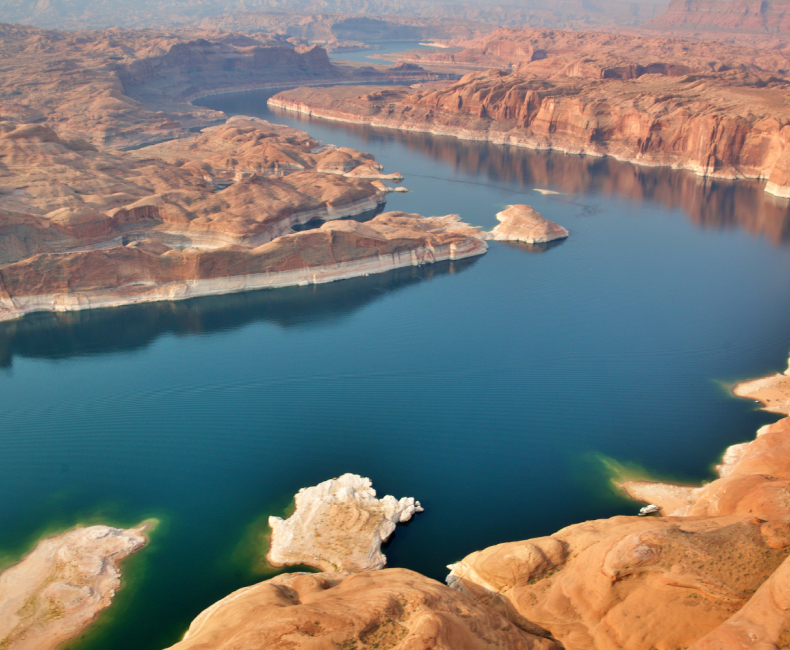
Musandam, on the northeast tip of the Arabian Peninsula, is a little-known wonderland of staggering stone cliffs and a labyrinthine succession of coves, bays and inlets that make up the world’s only desert fjords. Due to its unique desert fjords, Musandam is known as “the Norway of Arabia”. Exploring Musandam on a traditional dhow cruise is a great experience to explore Musandam`s beautiful landscape.
Visitors can also explore small isolated fishing villages, enjoy dolphin-watching and snorkel in the clear waters off Telegraph Island. While the natural scenery is the main draw to a visit to Musandam, the one popular spot in Khasab is the Khasab Fort. Built by the Portuguese in the 17th century, this fortress was the main defensive position over the Strait of Hormuz.